↳ SEE THROUGH IT
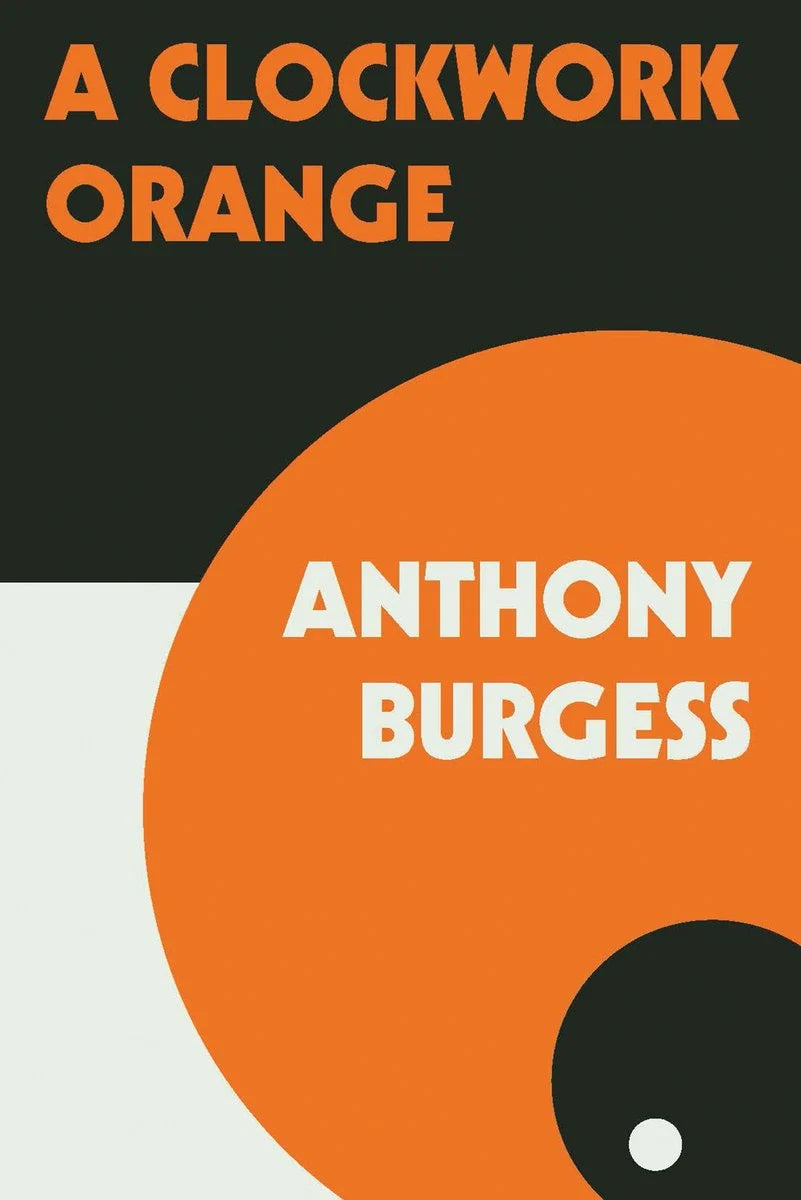
A Clockwork Orange
by Anthony Burgess
The state cured his violence. Now he can't choose anything.
For you if
you want to understand state control of the individual through a novel that refuses to let you be comfortable on any side of the argument
⚡ Choose Your Route ⚡
Not sold directly on this site. Support indie bookstores with a new copy, or go sustainable with a used one.
Supports independent bookstores
— or —
Secondhand & sustainable
$15.95 MSRP
· Paperback
Reference price shown. Other editions may be available.
Reference price shown. Other editions may be available.
Alex is fifteen, violent, and free. A teenager who chooses evil with the same autonomy that makes human goodness meaningful. When the state captures him and removes that choice through aversion therapy, Burgess asks the question the novel will not let you avoid: is a person who cannot choose evil still a person? The invented slang — Nadsat, a Russian-inflected argot — forces the reader to work, to learn, to be disoriented, which is itself a punk act. Burgess was not glamorizing violence. He was naming something the state does that is more frightening than the violence it claims to cure: the erasure of agency in the name of order. The Kubrick film made this look cool. The novel makes it look like what it is: a political horror story about what governments do to young bodies when those bodies refuse to comply. The most important novel ever written about free will as a political condition rather than a philosophical abstraction.
WHERE THIS BOOK LIVES
- Themes
- Authoritarian PlaybookDystopias Teach